PhD Psychology
Kandidat nauk, equivalent to a PhD, in Child and Adolescent Psychology.
- Institution
- People's Friendship University of Russia (RUDN University)
- Credential
- Candidate of Psychological Sciences
- Issued
- 17 June 2009
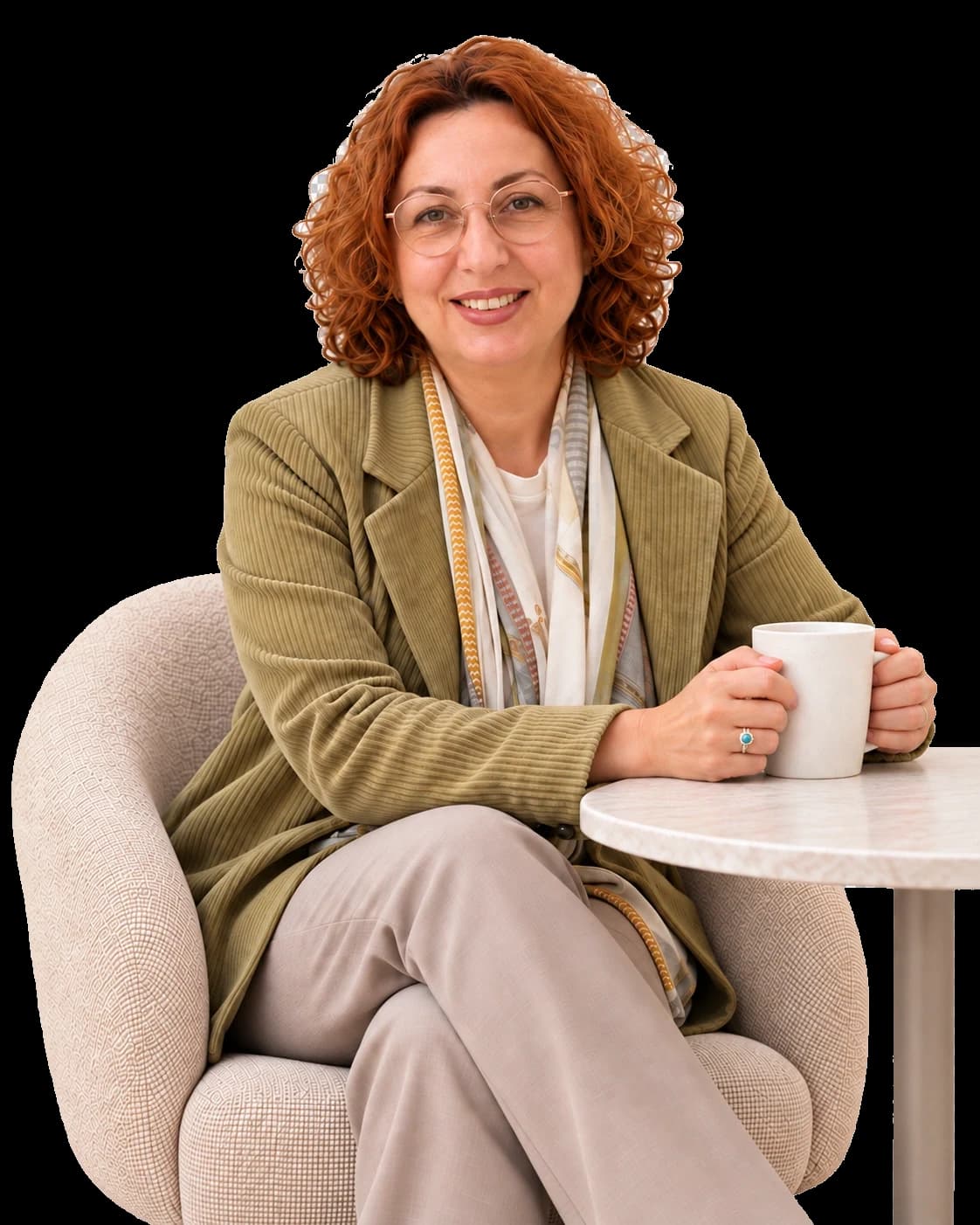
I hold a PhD in child and adolescent psychology and am a licensed educational psychologist in Israel, in private practice in Rishon LeZion. My work joins rigorous, evidence-based method with real warmth — because credentials only matter once a child feels safe enough to be themselves.
Trained in Russia, recognised and licensed by Israel's Ministry of Health — a complete, verified foundation so you can be confident in the assistance your family receives.
Kandidat nauk, equivalent to a PhD, in Child and Adolescent Psychology.
Master's in Psychology with specialised training in therapeutic approaches for children and adolescents.
Licensed Psychologist with the right to private practice.
Specialist recognition (מומחיות) in educational psychology.
License number
27-113381
Designation
Educational Psychologist
Registered with
Israeli Ministry of Health
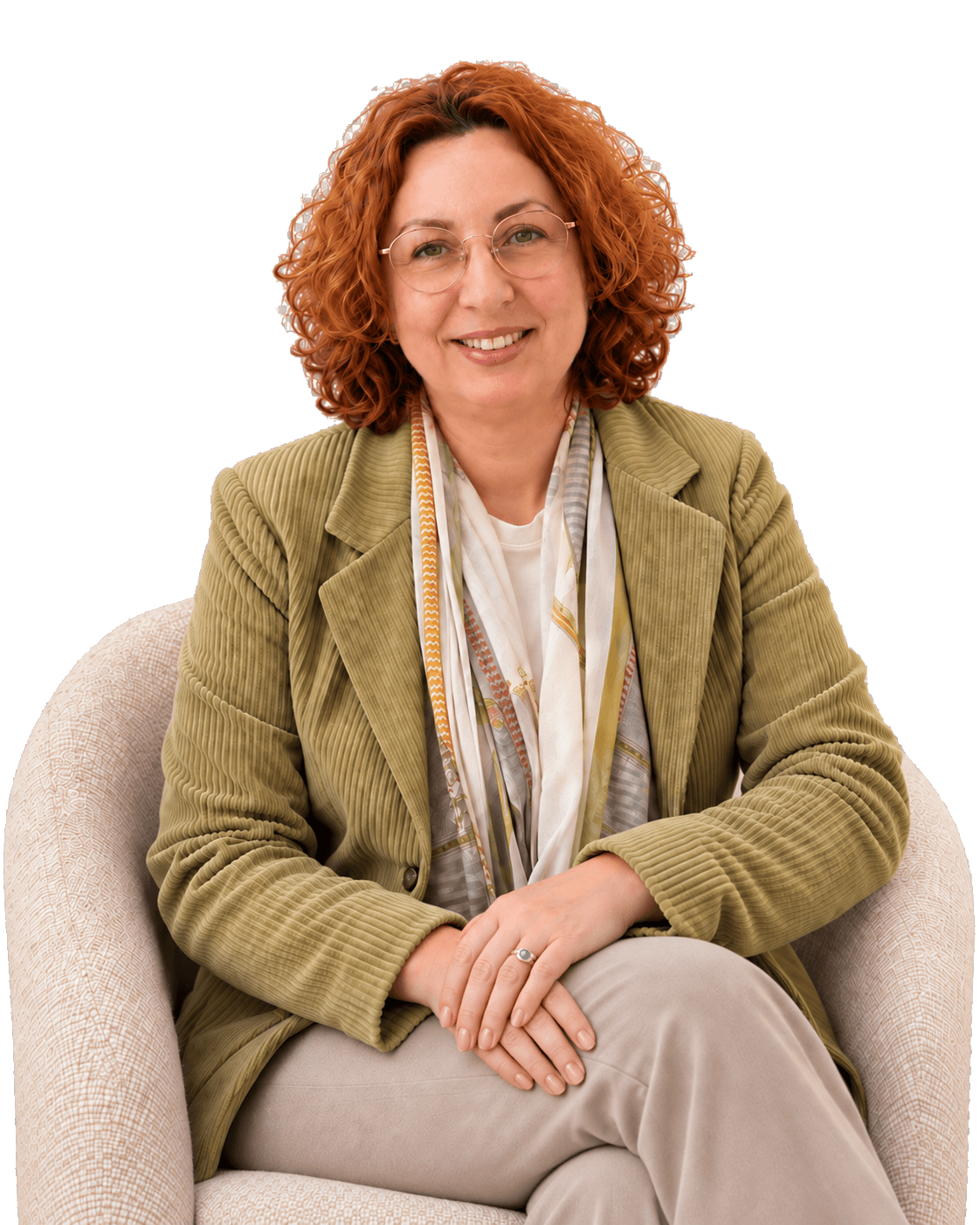
I qualified as a psychologist in Russia and spent my early career in a busy children's clinic, later earning my doctorate in child and adolescent psychology. When my family emigrated to Israel, my credentials were formally recognised and I was licensed by Israel's Ministry of Health in 2011.
Fifteen years on, I run a private practice in Rishon LeZion with deep roots in the local Russian-speaking community — and a working knowledge of Israeli schools, committees and the systems families have to navigate.
Grouped by the kind of work they do. Evidence-based where it helps, always chosen to fit the child in front of me.
My primary approach for anxiety — noticing thoughts, feelings and habits, then gently reshaping them.
Practical skills for emotion regulation, distress tolerance and getting along with others.
Slower, insight-oriented work for the patterns that sit underneath the surface.
The natural language of children roughly ages two to eleven — where feelings get expressed before they have words.
Whole-family systems and one-to-one parent–child sessions, because a child never grows in isolation.
Coaching and concrete, usable tools for parenting and everyday behaviour.
Interaction coached live, in the moment, so new patterns actually stick.
Structured processing for trauma and the memories that stay too loud.
Behaviour modification and reinforcement, used carefully and where the evidence supports it.
Formal, report-backed assessments accepted by schools, committees and health funds.
The areas families most often come to me with, grouped by the kind of support they call for.